This project was supported by Light Work and the Urban Video Project Regional Commission
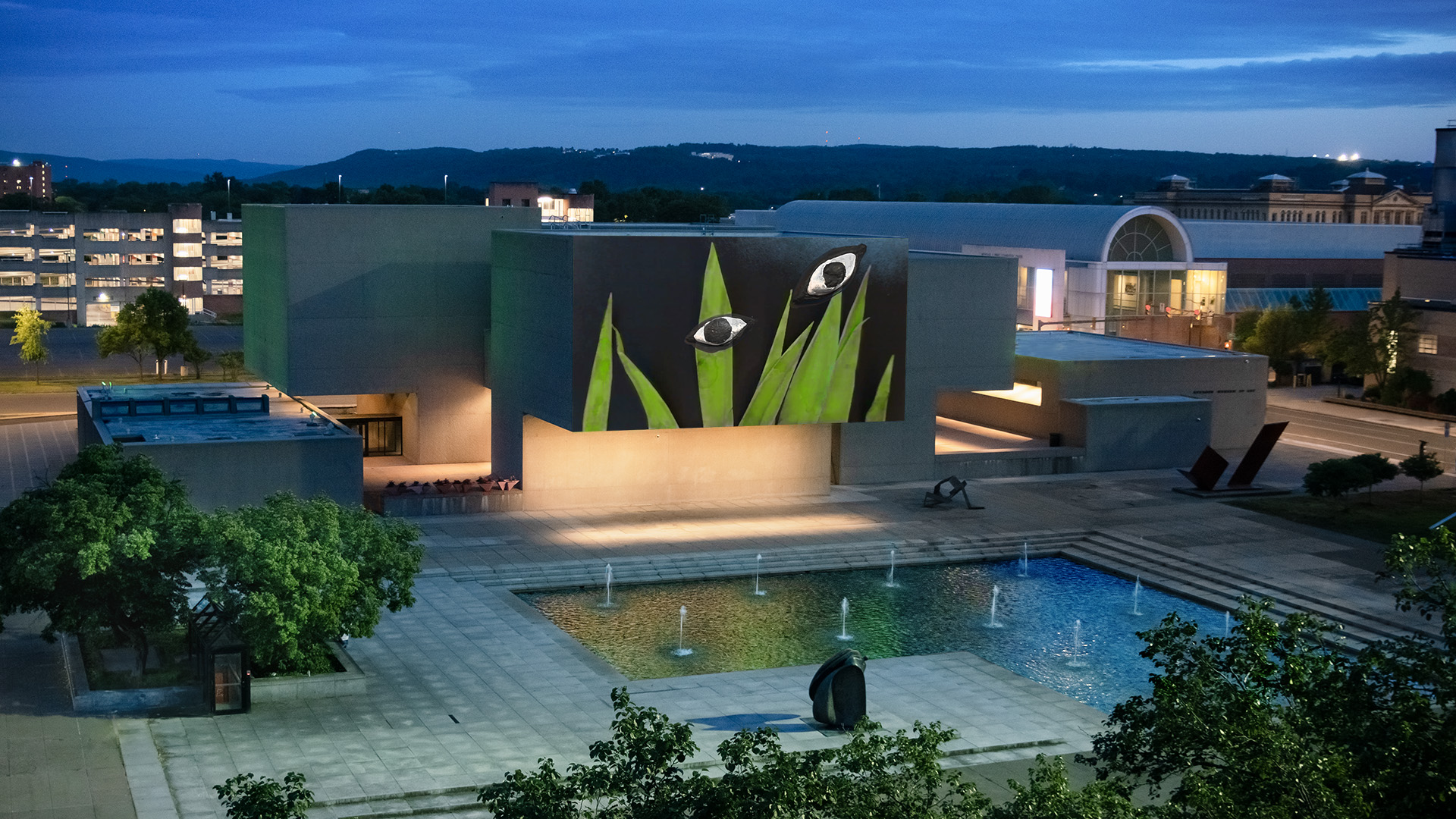
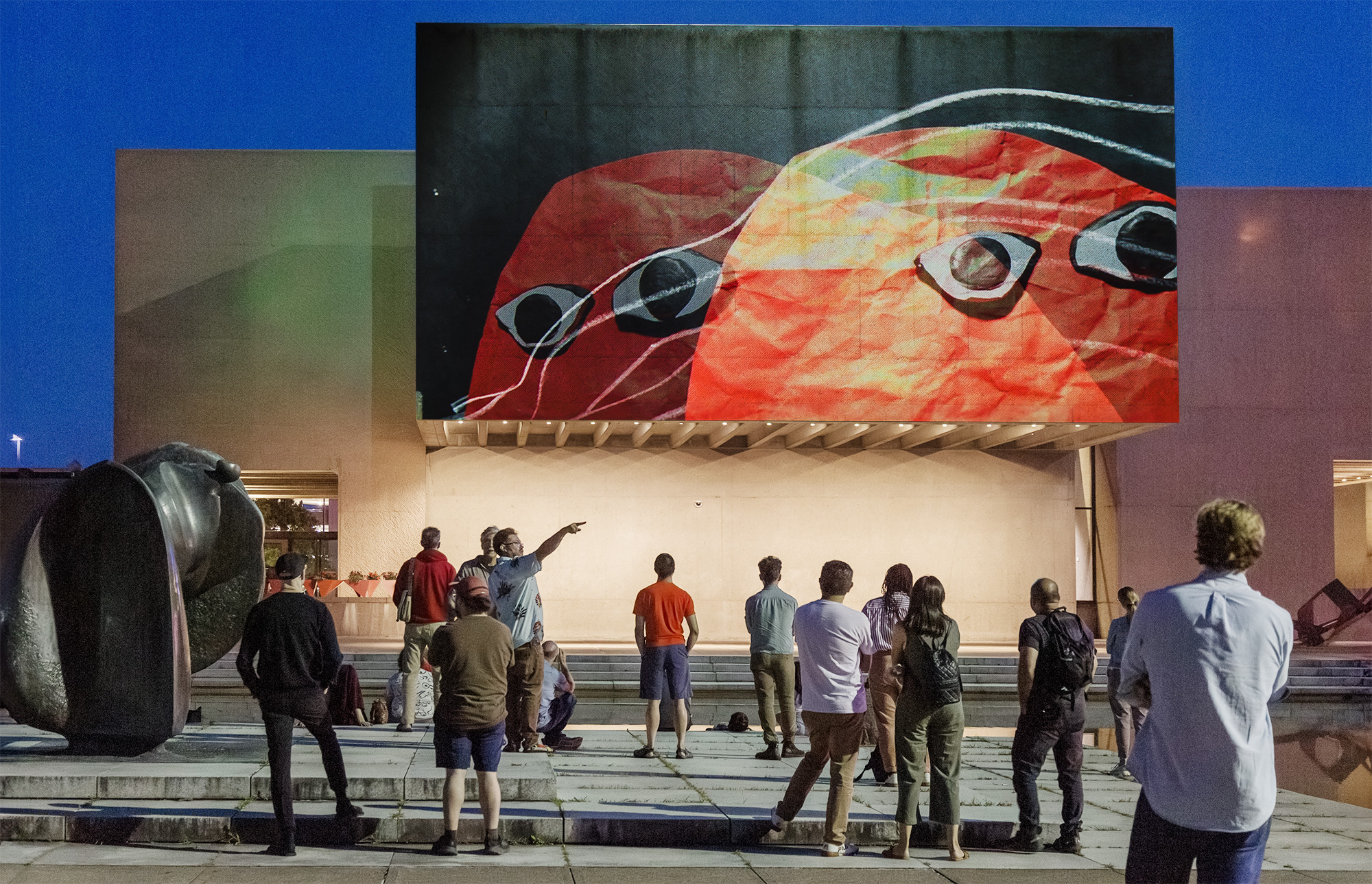
Unseen/forgotten: Ode to the humble landscape | Invisible/olvidado: Oda al paisaje humilde is a continuation of the project A river of all ages that Paulina Velázquez Solís developed during the pandemic. She found herself in a new environment in Brooktondale NY, surrounded by a creek where the change of pace and isolation brought via COVID heightened her acoustic perception of the river and its presence as a living entity and neighbor.
This was similar to her home in Costa Rica, which is also next to a river, making the sound experience of the river both grounding and nostalgic. This experience brought a new perspective not only on the artist’s sense of place but also on the creatures and plants that are particular to a place.

Unseen/forgotten continues this observation of the natural world, focusing on plants of Central New York that were impacted by the severe deforestation that happened through the end of the 19th century1. The artist presents these plants through animation, media performance and soundscapes, telling stories learned during her exploration of local natural areas and the L. H. Bailey Hortorium Herbarium at Cornell University.
Two plants are highlighted in this project. The first is Micrantheumun micranthemoides, a semiaquatic plant that was once found in the mud plains of the Hudson River, but is now locally extinct and exists only as archived specimens. Poignantly, Unseen/Forgotten features recent electromagnetic microscope images of the seeds of this lost plant. The second plant, Calamagrostis perplexa, is a critically endangered, endemic grass in Tompkins County found only in a very small and specific geographic area according to local botanist David Werier. This ancient plant has lived in the same location for thousands of years, bearing witness to the changes of the larger landscape.
Introducing us to the landscapes where these and other unassuming plants live or have lived, the artist re-directs our human curiosity and lust for discovery, channeling it into wonder at the everyday natural spaces that embody our connection to the past and the future.
1) According to the Department of Environmental Conservation “by the 1880s, less than 25% of New York State remained forested” Department of Environmental Conservation, History Of State Forest Program, A History of Human Impact, last visited on July,5,2024 (link to source)
 Paulina Velázquez Solís